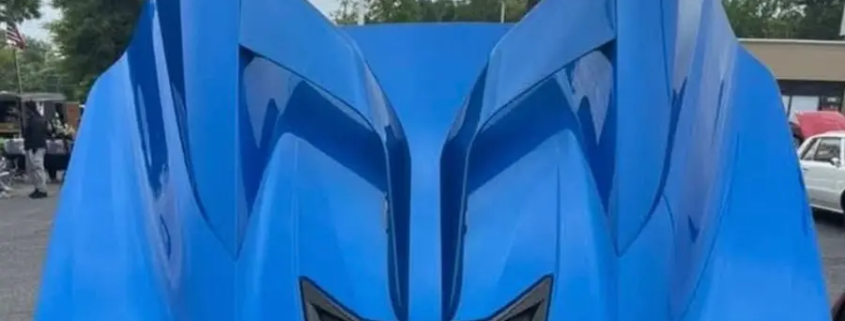
TRE Tonneau Roadster Enhancement Corvette C8 HTC

TRE Tonneau Roadster Enhancement Corvette C8 HTC

The TRE Tonneau Roadster Enhancement Corvette C8 HTC is for the owner who refuses to let a hardtop convertible look like the compromise it can become. The C8 HTC already brings supercar theater with one button press. A properly styled tonneau treatment takes that visual drama further, giving the rear deck a lower, wider, more deliberate profile whether the roof is up or folded away.

This is not a modification for blending in at the next Corvette meet. It is a design decision for building a C8 that carries presence from every angle.

Why the C8 HTC Needs a Stronger Rear Profile

The Stingray’s mid-engine proportions are its greatest advantage, but the HTC’s rear deck has a different visual language than the coupe. The folding hardtop adds structure behind the cabin, and factory surfaces can appear broad and restrained once the car is viewed from the side or rear three-quarter angle. That leaves room for a more exotic interpretation.

A TRE tonneau roadster enhancement changes how the eye travels over the car. Instead of seeing a flat transition from cockpit to rear fascia, you see a sculpted roadster-style silhouette with more tension over the engine bay. The result is a C8 that looks less factory-finished and more like it belongs under show lights, rolling into a high-end cruise, or parked beside serious exotic machinery.

The best exterior upgrades do more than add material. They sharpen the entire composition. On an HTC, the tonneau area is one of the most powerful places to make that change.

TRE Tonneau Roadster Enhancement for Corvette C8 HTC

A roadster enhancement should respect the C8’s existing architecture while giving it a stronger identity. The goal is not to bury the Corvette’s lines under random add-ons. It is to create a rear-deck treatment that feels intentional with the roof system, rear haunches, vents, wing choice, and diffuser.

That is where finish matters. Exposed carbon fiber creates a technical, race-bred statement that works especially well with carbon splitters, side skirts, mirror caps, and aerodynamic wings. Painted body-color treatments can deliver a more integrated, coachbuilt look. Either direction can be aggressive. The right choice depends on whether the build is centered on contrast or a clean, unified color story.

Fitment deserves the same attention as styling. The C8 HTC has moving roof components and tight body-panel relationships. Before committing to any tonneau enhancement, confirm the exact model-year application, installation method, panel clearance, and compatibility with your current rear wing or deck-mounted accessories. A dramatic piece that disrupts roof operation or crowds adjacent body lines is not a premium result.

Build the Rear End as One Statement

The tonneau should not be treated as an isolated purchase. It is the centerpiece of a larger rear-profile strategy.

A subtle spoiler can preserve the roadster contour and keep the build sleek. A taller GT-style wing creates a more track-inspired attitude, but demands visual balance from the rest of the car. Add a deep rear diffuser without matching the upper body, and the rear can feel visually heavy at the bottom. Add carbon up top with no lower aero detail, and the design can lose its planted stance.

Think in layers: sculpted deck surface, wing or spoiler, rear fascia detail, diffuser, and exhaust presentation. When those layers speak the same design language, the C8 looks engineered as a complete custom car rather than assembled from a catalog.

Wheel fitment also changes the outcome. A lowered C8 HTC on forged wheels with an assertive rear offset gives a tonneau enhancement the stance it deserves. On a factory-height car with conservative wheels, even a beautifully designed rear-deck piece may not carry the same visual authority. This does not mean every build needs extreme fitment. It means the car needs proportion.

Carbon Fiber Is About More Than the Weave

For a build at this level, carbon fiber should read as craftsmanship, not decoration. The weave needs to align cleanly across visible surfaces, the finish must hold depth under direct sun, and the part must sit with disciplined panel gaps. Those details separate automotive art from an accessory.

There is also a practical trade-off. Exposed carbon makes a bold statement, but it asks for proper care. Quality clear coat, careful washing, and protection from prolonged UV exposure help preserve the finish that makes carbon fiber look expensive. Owners who want less maintenance may prefer a painted finish while using carbon strategically on lower aero components.

Make the HTC Look Like It Was Never Meant to Be Stock

The right tonneau roadster enhancement gives the C8 HTC a more exotic posture without taking away the convertible experience that makes the car special. It adds tension, character, and the kind of rear three-quarter profile that makes people stop before they ask what wheels are on it.

Build with purpose. Match the materials, respect the roof mechanism, and choose components that turn the entire Corvette into one unmistakable statement.

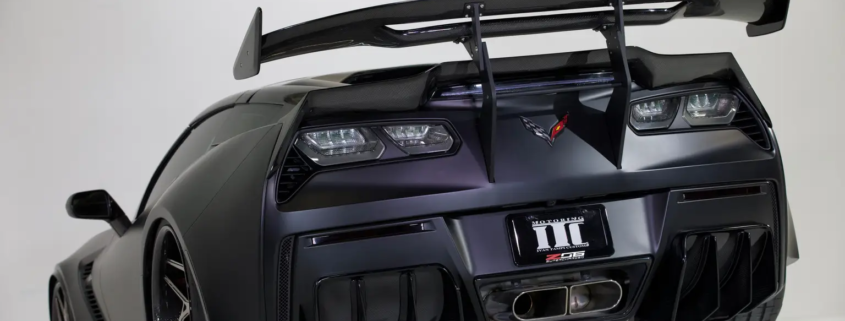
XIK Glass Replacement C7 Corvette Fitment

XIK Glass Replacement C7 Corvette Fitment

A C7 Corvette can wear expensive carbon, forged wheels, and an aggressive stance, then lose the entire visual fight to one tired, scratched, poorly fitting glass piece. That is why an XIK glass replacement C7 Corvette build deserves more thought than simply ordering a part that looks close in a product photo. On a car built to command attention, every surface has to carry its weight.

Replacement glass is not just a maintenance item. It is a visual reset for a Corvette that has been driven hard, displayed often, transported, modified, or prepared for a higher level of exterior transformation. The right piece can clean up the lines around the body, restore clarity, and make the surrounding carbon-fiber work look intentional rather than pieced together.

XIK Glass Replacement C7 Corvette Fitment Starts Here

The C7 Corvette platform ran from 2014 through 2019, but that does not mean every glass-related component is interchangeable across every configuration. Stingray, Grand Sport, Z06, and ZR1 body profiles can create different clearance questions once aftermarket aero, widened quarters, custom vents, or a complete widebody conversion enter the picture. Coupe and convertible configurations also demand their own fitment checks.

Before choosing a replacement, identify exactly which panel needs attention. “Glass replacement” can refer to different areas of the car, and each has its own visual role, mounting method, edge profile, and compatibility concerns. Do not rely on a broad model-year match alone when your Corvette has custom bodywork.

The cleanest way to avoid a costly mismatch is to confirm the year, trim, body style, and every relevant exterior modification before ordering. If the car is running a XIK Widebody Kit or other non-factory quarter-panel and bumper work, measure twice and verify the relationship between the glass, surrounding panels, weather seals, and mounting points. A panel can be built for the right Corvette generation and still require a more specific fitment conversation for a fully transformed car.

This is where serious builds separate themselves from rushed builds. A show-level Corvette is not assembled by hoping a component can be persuaded to fit. It is planned around precise lines, controlled gaps, and parts that belong together.

Why Replacement Glass Changes the Whole Build

C7 design is all tension and movement. The roofline sweeps into the rear of the car, the beltline rises sharply, and the body carries a planted, almost exotic silhouette even in factory form. Any haze, cracking, deep scratching, delamination, or tired trim around a glass panel becomes far more visible when the rest of the car is wearing premium carbon-fiber components.

Fresh replacement glass restores more than visibility. It brings back contrast. Gloss carbon and paint look deeper beside a clean, properly seated panel. Reflections read crisply. The rear profile looks tighter. On a blacked-out or exposed-carbon build, that difference is impossible to ignore under show lighting, at a fuel stop, or when the car is rolling through a meet.

There is also a practical side. A compromised panel can allow unwanted noise, water intrusion, or poor sealing. For a Corvette that sees real road miles, this matters as much as appearance. The goal is not to make the car delicate. The goal is to make every part look exotic while still performing with the confidence expected from a serious street machine.

Match the Glass to the Car You Are Building

A replacement should support the visual direction of the entire Corvette. If your C7 remains close to factory appearance, the priority may be restoring an OEM-style finish and clean fit. If the car is being pushed toward a race-inspired, widebody statement, the decision becomes more design-driven. The glass has to work with the new width, the new aero, and the new attitude.

Consider how the panel will sit beside the car’s dominant materials. Exposed carbon-fiber fenders, a rear diffuser, a deck wing, or a large GT wing all create strong visual architecture. The wrong finish or an uneven edge can interrupt that architecture immediately. A clean replacement lets the carbon do what it was designed to do: pull the eye through the body and make the Corvette look lower, wider, and more intentional.

Visibility is another real trade-off. Dark styling can make a C7 look meaner, but do not sacrifice usable sightlines for an effect that only works in photos. A car built for late-night cruises, road events, and regular street use needs a finish that complements the design without making the cabin feel closed in or reducing confidence behind the wheel. The most aggressive build is still better when it can be driven hard and seen clearly.

What to Confirm Before Ordering

For a premium Corvette build, a quick fitment check should cover more than the listed model year. Confirm these details before committing to any replacement glass component:

  • Exact C7 year, trim, and whether the vehicle is a coupe or convertible.
  • The specific glass location and the condition of adjacent seals, trim, and mounting hardware.
  • Existing aftermarket parts near the installation area, especially widebody panels, spoilers, vents, and custom paintwork.
  • Finish expectations, including clarity, tint appearance, edge treatment, and how the panel will look against carbon fiber.
  • Who will perform the installation and whether that installer has experience with modified Corvettes.

That final point matters. A skilled installer understands that the job is not finished when the glass is physically in place. The panel must sit evenly, seal correctly, and preserve the body lines that make the C7 so recognizable. On a custom car, small alignment issues become loud visual problems.

Installation Is Where the Details Show

Glass replacement is not the time for shortcuts, especially when the car has premium exterior components around it. The installer should inspect the surrounding area before removal, including trim condition, seal integrity, mounting surfaces, and clearance to aftermarket bodywork. If a seal has aged, hardened, or lost its shape, reusing it simply to save money can undermine the finished result.

Protect the paint and carbon before work begins. Carbon-fiber surfaces can be durable, but their finish deserves careful handling. The same is true for painted widebody panels, exposed fasteners, custom wraps, and aerodynamic add-ons. A professional installation process keeps the job controlled instead of turning a replacement into a cosmetic repair list.

After installation, inspect the panel from multiple angles and in different lighting. Look for consistent gaps, clean edges, correct alignment, and any signs that trim or seals are sitting unevenly. Then evaluate it in the way that actually counts: stand back from the car. The Corvette should look sharper as a whole, not merely repaired in one area.

Build for the Finished Image, Not the Temporary Fix

The best C7 builds are edited with discipline. That does not mean playing safe. It means every dramatic decision has a purpose. The XIK design language is built around visual authority – widened proportions, sculpted carbon, and an unmistakable road presence. Replacement glass should carry that same standard of execution.

If a damaged or worn panel is holding back the rest of the car, replace it before layering on more modifications. Clean glass, precise fitment, and fresh surrounding trim create the kind of foundation that makes a widebody Corvette look expensive from every angle. The finished image is not created by one oversized wing or one carbon part. It is created when every surface agrees that this C7 was built to be remembered.

XIK Rear Deck Wing C7 Corvette Built to Stand Out

XIK Rear Deck Wing C7 Corvette Built to Stand Out

A C7 can leave the factory with serious presence, but the rear view is where a build either finishes strong or fades into every other Corvette at the show. The XIK rear deck wing C7 Corvette treatment gives the car a harder, lower, more intentional profile – the kind of visual signature that makes people stop behind it, circle around it, and look twice.

This is not about adding a random spoiler because the catalog says every Corvette needs one. A rear deck wing has to work with the C7’s sharp roofline, broad haunches, taillight shape, and rear fascia. When the proportions are right, it turns the entire car into a statement. When they are wrong, even premium paint and expensive wheels cannot save the rear three-quarter view.

Why a Rear Deck Wing Changes the C7 Corvette

The C7 Corvette already has muscular rear fenders and a cabin that tapers aggressively toward the deck. That architecture gives a deck wing enormous visual responsibility. It sits at the transition point between the body and the air behind the car, so its height, width, angle, and end treatment all affect how the vehicle reads from a distance.

A properly designed wing does more than fill empty space above the rear bumper. It extends the Corvette’s stance. It can make the car look lower, wider, and more planted without changing the basic identity that made the C7 iconic. On a stock-body car, that may mean adding a decisive race-inspired edge. On a widebody build, it becomes the piece that visually ties the expanded quarters to the rear centerline.

The difference is proportion. A wing that is too tall can make the car look top-heavy. One that is too narrow can get swallowed by the C7’s rear width. A wing that is too flat may disappear entirely, especially against darker paint. The best designs create contrast and tension while respecting the Corvette’s natural lines.

The XIK Rear Deck Wing C7 Corvette Look

XIK design language is not built for owners who want subtle factory-plus styling. It is built for the Corvette owner who wants an unmistakable silhouette and a finish worthy of a serious custom build. The rear deck wing belongs in that conversation because it adds an exotic visual layer without forcing the car into a generic track-car costume.

The goal is controlled aggression. From the side, the wing should follow the car’s forward motion rather than look like an afterthought bolted to the deck. From the rear, it should frame the taillights and reinforce the width of the body. From a low rear three-quarter angle – the angle that matters in photos, show coverage, and rolling shots – it should give the C7 a more expensive, more deliberate posture.

Carbon fiber is especially powerful here because it introduces depth that paint cannot duplicate. Under direct sunlight, the weave gives the wing movement. Under indoor show lighting, it gives the rear end a technical, high-end finish. Against white, red, yellow, silver, and darker Corvette colors, exposed carbon creates a clear visual separation between the bodywork and the aero element.

That said, exposed weave is not mandatory for every build. A color-matched wing can create a cleaner, more sculpted appearance, particularly on a C7 with understated wheels and a refined exterior package. The decision depends on whether the build is chasing contrast or integration. Carbon exposed is louder. Paint matched is more tailored. Both can look exceptional when the rest of the car supports the direction.

Build the Rear View as a Complete Composition

A rear deck wing should not be chosen in isolation. The C7’s back end is a composition of taillights, deck height, rear fascia, diffuser, exhaust, and wheel fitment. Changing one element changes the balance of everything around it.

For a street-focused C7 with a stock body, a rear deck wing can be the centerpiece. Pair it with a clean rear diffuser, quality exhaust finishers, and wheels with the right offset, and the car gains presence without visual overload. The wing becomes the high point of the rear profile while the diffuser keeps the lower section from looking unfinished.

For a more dramatic XIK Widebody build, the wing takes on a different role. The widened quarter panels create more surface area and more attitude, so the rear aero needs enough authority to keep up. In that setting, a deck wing helps connect the expanded rear quarters to the center of the car. It prevents the widebody from looking like all the drama stopped at the wheel arches.

Finish coordination matters just as much. If the wing is carbon fiber, repeating that material in selected areas – perhaps a diffuser, side skirts, front splitter, or subtle exterior accents – makes the build feel designed rather than assembled. Repetition is the difference between a car with parts on it and a car with a visual identity.

Deck Wing Versus GT Wing

The deck wing and the taller GT wing serve different visual missions. A deck wing stays close to the body and preserves the C7’s flowing fastback profile. It is ideal for owners who want a sleek, exotic rear end that still looks natural on the street.

A GT wing sits higher and makes a more motorsport-forward statement. It can be the right choice for a track-inspired build, especially one with aggressive front aero, canards, a pronounced diffuser, and a lower ride height. But it demands commitment. On an otherwise mild C7, a large GT wing can overpower the rest of the design.

If the objective is show-car presence with a polished, cohesive finish, the rear deck wing is often the stronger choice. It delivers drama without interrupting the Corvette’s iconic roof-to-deck transition.

Fitment Is What Separates a Premium Build

Rear aero is visible from every angle, which means shortcuts show immediately. Uneven gaps, poor mounting alignment, a wing sitting off-center, damaged clear coat, or exposed hardware can turn a premium component into a distraction. On a Corvette built for recognition, that is not acceptable.

Always confirm fitment for the exact C7 configuration before committing to a wing. Model year, coupe versus convertible body details, factory spoiler setup, prior body modifications, and aftermarket deck treatments can all matter. A car with an existing spoiler may require a different installation approach than a clean deck lid. If the vehicle has paint correction, ceramic coating, vinyl, or PPF, plan the installation sequence carefully so the finished result stays clean.

Professional installation is the smart move for high-end carbon-fiber exterior components. The installer should verify placement before final mounting, protect surrounding paint, inspect the underside of the deck area, and make sure the wing sits level when viewed from the rear. A few millimeters of visual misalignment can be obvious once the car is parked under show lights.

It also pays to think ahead. If the C7 will eventually receive a widebody conversion, diffuser upgrade, new wheels, or a revised exhaust setup, select a wing that can remain part of the final vision. Buying around a complete design direction is more efficient than replacing parts as the build outgrows them.

Street Presence, Performance Intent, and Real Expectations

A rear deck wing communicates performance intent immediately. It tells people the owner did not build the car to disappear. But visual aero and competition aero are not automatically the same thing, and serious owners understand the distinction.

Actual aerodynamic performance depends on the wing’s shape, angle, mounting position, vehicle speed, and how it works with the front splitter, underbody airflow, diffuser, and suspension setup. A deck wing can contribute to a more purposeful rear-end design, but it should not be marketed as a magic handling cure without vehicle-specific testing.

For many C7 owners, the primary win is visual transformation. That is not a lesser objective. A Corvette that looks balanced, aggressive, and unmistakably yours delivers value every time the garage opens, every time it rolls into a meet, and every time it gets photographed from behind. If track performance is also a priority, build the aero package as a system and tune the chassis around the car’s intended use.

Make the C7 Impossible to Ignore

The right rear deck wing does not merely decorate a Corvette. It changes the car’s posture, sharpens its identity, and gives the rear view the authority the C7 deserves. Ivan Tampi Customs approaches exterior design as automotive art because the details are never just details – they are the difference between modified and memorable.

Choose the wing that matches the scale of the build, respect fitment, and let the rear end carry the same confidence as the rest of the car. A C7 built with purpose should never look accidental.