
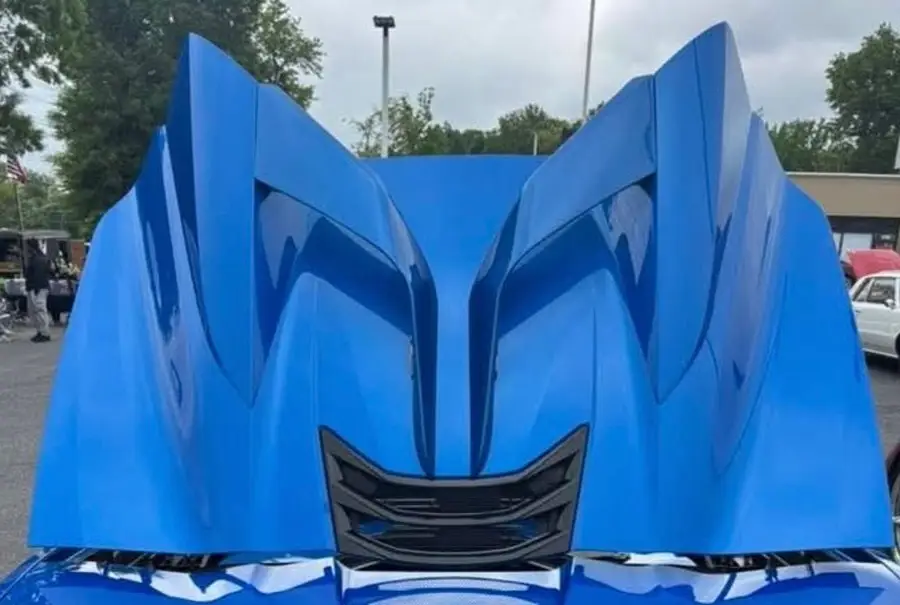
TRE Tonneau Roadster Enhancement Corvette C8 HTC
The TRE Tonneau Roadster Enhancement Corvette C8 HTC is for the owner who refuses to let a hardtop convertible look like the compromise it can become. The C8 HTC already brings supercar theater with one button press. A properly styled tonneau treatment takes that visual drama further, giving the rear deck a lower, wider, more deliberate profile whether the roof is up or folded away.
This is not a modification for blending in at the next Corvette meet. It is a design decision for building a C8 that carries presence from every angle.
Why the C8 HTC Needs a Stronger Rear Profile
The Stingray’s mid-engine proportions are its greatest advantage, but the HTC’s rear deck has a different visual language than the coupe. The folding hardtop adds structure behind the cabin, and factory surfaces can appear broad and restrained once the car is viewed from the side or rear three-quarter angle. That leaves room for a more exotic interpretation.
A TRE tonneau roadster enhancement changes how the eye travels over the car. Instead of seeing a flat transition from cockpit to rear fascia, you see a sculpted roadster-style silhouette with more tension over the engine bay. The result is a C8 that looks less factory-finished and more like it belongs under show lights, rolling into a high-end cruise, or parked beside serious exotic machinery.
The best exterior upgrades do more than add material. They sharpen the entire composition. On an HTC, the tonneau area is one of the most powerful places to make that change.
TRE Tonneau Roadster Enhancement for Corvette C8 HTC
A roadster enhancement should respect the C8’s existing architecture while giving it a stronger identity. The goal is not to bury the Corvette’s lines under random add-ons. It is to create a rear-deck treatment that feels intentional with the roof system, rear haunches, vents, wing choice, and diffuser.
That is where finish matters. Exposed carbon fiber creates a technical, race-bred statement that works especially well with carbon splitters, side skirts, mirror caps, and aerodynamic wings. Painted body-color treatments can deliver a more integrated, coachbuilt look. Either direction can be aggressive. The right choice depends on whether the build is centered on contrast or a clean, unified color story.
Fitment deserves the same attention as styling. The C8 HTC has moving roof components and tight body-panel relationships. Before committing to any tonneau enhancement, confirm the exact model-year application, installation method, panel clearance, and compatibility with your current rear wing or deck-mounted accessories. A dramatic piece that disrupts roof operation or crowds adjacent body lines is not a premium result.
Build the Rear End as One Statement
The tonneau should not be treated as an isolated purchase. It is the centerpiece of a larger rear-profile strategy.
A subtle spoiler can preserve the roadster contour and keep the build sleek. A taller GT-style wing creates a more track-inspired attitude, but demands visual balance from the rest of the car. Add a deep rear diffuser without matching the upper body, and the rear can feel visually heavy at the bottom. Add carbon up top with no lower aero detail, and the design can lose its planted stance.
Think in layers: sculpted deck surface, wing or spoiler, rear fascia detail, diffuser, and exhaust presentation. When those layers speak the same design language, the C8 looks engineered as a complete custom car rather than assembled from a catalog.
Wheel fitment also changes the outcome. A lowered C8 HTC on forged wheels with an assertive rear offset gives a tonneau enhancement the stance it deserves. On a factory-height car with conservative wheels, even a beautifully designed rear-deck piece may not carry the same visual authority. This does not mean every build needs extreme fitment. It means the car needs proportion.
Carbon Fiber Is About More Than the Weave
For a build at this level, carbon fiber should read as craftsmanship, not decoration. The weave needs to align cleanly across visible surfaces, the finish must hold depth under direct sun, and the part must sit with disciplined panel gaps. Those details separate automotive art from an accessory.
There is also a practical trade-off. Exposed carbon makes a bold statement, but it asks for proper care. Quality clear coat, careful washing, and protection from prolonged UV exposure help preserve the finish that makes carbon fiber look expensive. Owners who want less maintenance may prefer a painted finish while using carbon strategically on lower aero components.
Make the HTC Look Like It Was Never Meant to Be Stock
The right tonneau roadster enhancement gives the C8 HTC a more exotic posture without taking away the convertible experience that makes the car special. It adds tension, character, and the kind of rear three-quarter profile that makes people stop before they ask what wheels are on it.
Build with purpose. Match the materials, respect the roof mechanism, and choose components that turn the entire Corvette into one unmistakable statement.
