
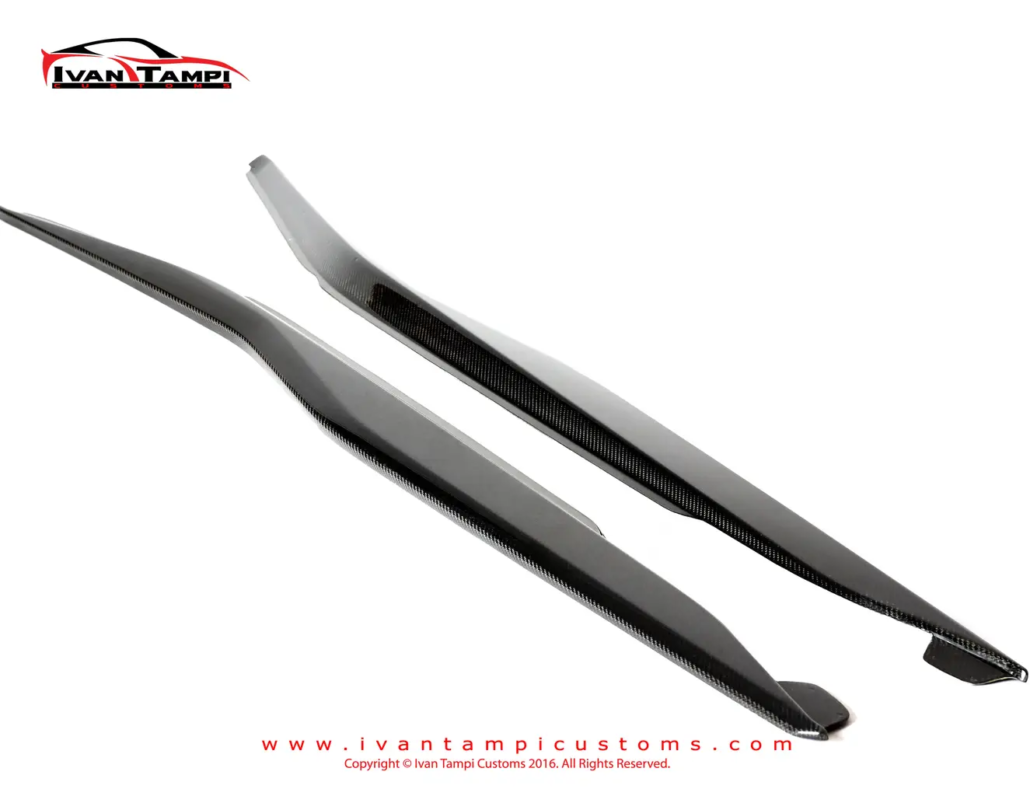
C7 Corvette Carbon Fiber Side Skirts That Hit Hard
A C7 can have forged wheels, a loud exhaust, and a clean stance, then still look unfinished from the side. That is where C7 Corvette carbon fiber side skirts earn their place. They pull the body visually closer to the pavement, stretch the car’s profile, and give the Corvette the low, planted attitude its factory lines are begging for.
This is not a minor trim upgrade when the design is right. Side skirts control the visual transition between the front splitter, fenders, rear quarters, and diffuser. On a car built to turn heads, that transition matters.
Why C7 Corvette Carbon Fiber Side Skirts Change the Entire Build
The C7 Corvette has one of the strongest factory silhouettes in modern American performance. Its long hood, sharp cabin, and muscular rear haunches already carry exotic influence. But the rocker area is relatively restrained from the factory. Carbon fiber side skirts add the missing lower edge, giving the chassis a more deliberate and aggressive footprint.
The effect is strongest at a three-quarter angle. A properly shaped skirt creates a darker, sharper shadow line below the doors and visually lowers the car without touching the suspension. It makes the front splitter look wider and gives the rear diffuser more visual authority. The result is not simply “more carbon.” It is a body line with purpose.
That is why a side skirt should never be selected as an isolated accessory. If your Corvette has an understated street build, a clean skirt with a controlled profile may be the right move. If the car carries wide fenders, deep aero, a tall wing, or a full show-car stance, the skirts need enough presence to hold their own. A thin, generic rocker extension can disappear beneath an otherwise serious build.
Carbon Fiber Is More Than a Surface Finish
Real carbon fiber brings an unmistakable visual depth that painted plastic cannot duplicate. The weave catches light differently from every angle, shifting from subtle to dramatic as the car moves. On a black C7, carbon can create a sinister layered finish. On a white, red, yellow, or gray Corvette, it creates sharp contrast and gives the lower body a race-inspired edge.
Construction matters as much as appearance. Hand-laid carbon fiber parts are valued because the material itself becomes part of the design statement. The weave, resin finish, panel consistency, and edge treatment all influence whether the final result looks premium or looks like an afterthought bolted onto a premium car.
For a vehicle that sees road miles, quality clear coat protection is essential. Carbon fiber lives low on the car, where it is exposed to road grit, tire spray, water, and UV. Treat it like the high-end exterior finish it is. Regular washing, careful drying, paint protection film in high-impact areas, and a quality sealant or ceramic coating can help preserve its depth and gloss.
Fitment Comes Before the Flex
A carbon fiber side skirt can look incredible in product photos and still be wrong for your specific C7. Before choosing a set, confirm the exact model year and body configuration. Corvette fitment is not a place for assumptions, especially when the car already wears aftermarket bumpers, fender extensions, widebody panels, or modified rocker areas.
The first question is whether the skirt is designed for a standard-body Stingray, Z51, Grand Sport, Z06, or a widebody conversion. The second is whether it replaces an existing rocker component, mounts beneath the factory rocker, or requires additional adaptation. Those details determine the final body line, ground clearance, and installation approach.
A serious build should also account for how the skirt meets the rest of the aero package. The front edge should visually connect to the splitter or front canards. The rear should finish cleanly near the quarter panel and diffuser. When those lines fight each other, even expensive carbon fiber can look mismatched. When they flow, the entire car looks designed rather than assembled.
Standard Body or Widebody: Build Accordingly
Standard-body C7s benefit from side skirts that emphasize length without making the rocker area appear too heavy. The goal is to enhance the factory proportions, not overpower them. A skirt with a crisp lower edge and measured outward extension can deliver the right amount of drama for a street-driven car.
Widebody C7s need more visual muscle. Once the fenders and rear quarters push outward, the rocker area must bridge that added width. This is where a side skirt becomes structural to the design language. It must carry the eye from the widened front fender to the rear quarter without leaving a narrow, disconnected gap in the middle.
Ivan Tampi Customs approaches this kind of transformation as automotive art, not a catalog of interchangeable pieces. That mindset is especially relevant to side skirts because they sit at the center of the vehicle’s profile. On an XIK-inspired widebody build, they are part of the statement, not an accessory added at the end.
The Stance Trade-Off Nobody Should Ignore
Lower side skirts look better because they sit closer to the road. They also demand more awareness. Driveway entries, steep parking ramps, road crowns, speed bumps, trailer loading, and poorly maintained streets can all become potential contact points.
That does not mean a low skirt is impractical. It means the build needs to match the way you use the car. A show-focused Corvette that travels by enclosed trailer can prioritize maximum visual aggression. A weekend car that regularly sees city streets may need a slightly more forgiving profile. A daily-driven C7 may benefit from a design that maintains a strong visual drop without extending excessively below the factory rocker line.
Suspension setup changes the equation too. A Corvette on lowering springs or coilovers may look perfect in a static photo but need careful clearance planning in real-world conditions. Check clearance with the driver in the car, with the steering turned, and with the suspension loaded. The right fitment is not just about standing still at a meet. It has to survive the exit.
Installation Is Where Premium Parts Can Lose Their Presence
Even the best carbon fiber part can look wrong with uneven gaps, visible fasteners in the wrong locations, poor alignment, or rushed prep. Side skirts run nearly the full length of the door opening, which makes even a slight mounting error obvious.
Professional installation is the smart call for a high-end build, particularly if the car has a custom body kit or painted surfaces that require precise protection. The installer should mock up both sides before final fastening, verify symmetry against the body lines, and inspect door clearance before committing. On carbon fiber, drilling or trimming without a plan is expensive confidence.
If you are installing at home, work slowly and treat mock-up time as part of the installation, not a delay. Use painter’s tape to establish reference lines, compare both sides repeatedly, and avoid overtightening hardware against composite material. The goal is a clean, flush appearance that looks factory intentional from six feet away and flawless up close.
How to Build Around Carbon Fiber Side Skirts
Side skirts become more powerful when the rest of the Corvette supports them. The strongest combinations usually carry carbon or gloss-black visual weight at both ends of the vehicle. A front splitter establishes the leading edge. Side skirts extend that attitude through the doors. A rear diffuser finishes the lower silhouette. Add a deck spoiler or GT wing based on how extreme the build needs to be.
Wheel choice is equally important. Deep concave forged wheels, correct offsets, and a purposeful ride height make the skirts look integrated rather than added on. A weak wheel fitment can undercut the entire side profile, while a properly planted setup makes the Corvette look wider, lower, and more expensive before anyone notices the badge.
Color coordination should be intentional. Exposed carbon pairs naturally with black accents, smoked lighting, dark wheels, and satin details. A brighter wheel finish can also work, but it should create deliberate contrast. The best builds do not throw every finish at the car. They choose a visual hierarchy and commit to it.
Choose the Skirt That Matches the Statement
Not every C7 Corvette needs the same level of aero. The right carbon fiber side skirt depends on whether you want an elevated factory-plus look, a street-built performance profile, or a full widebody presence that dominates a show field. The material alone does not create the impact. Proportion, fitment, and how the part connects to the rest of the car do.
Choose a design with enough authority to match your Corvette’s ambition, install it with precision, and build the rest of the profile around it. When the doors close and that carbon line runs cleanly from front wheel to rear quarter, the car stops looking modified and starts looking inevitable.
