
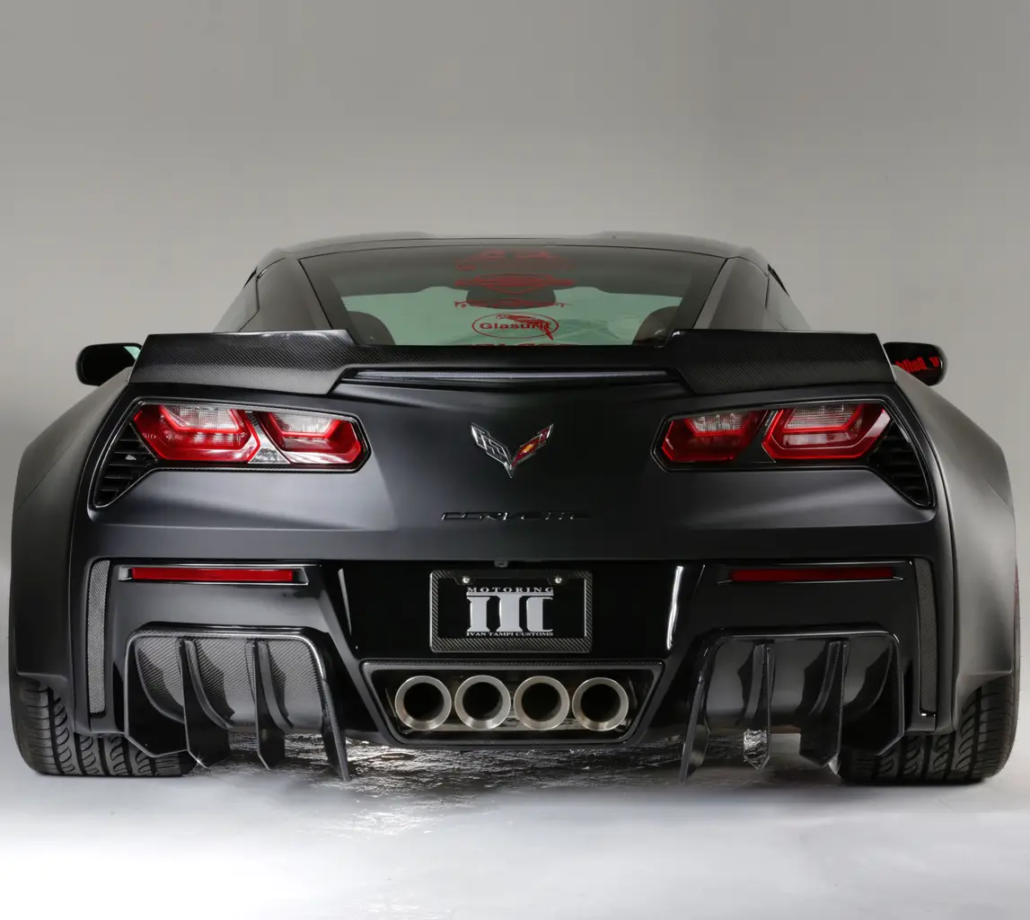
7 Best C7 Corvette Rear Diffusers for a Meaner Stance
The best C7 Corvette rear diffusers do more than fill the space below the bumper. They change the entire exit view of the car – the angle every driver sees after you pull away, the view judges remember at a show, and the detail that can make a stock C7 look finished or forgettable. Get it right, and the rear end gains width, depth, and a low, race-bred attitude. Get it wrong, and even expensive carbon fiber can look like an afterthought.
A diffuser is not a one-size-fits-all accessory. C7 Stingray, Z06, and Grand Sport owners need to consider bumper shape, exhaust layout, ride height, wheel and tire package, and the visual direction of the entire build. The right choice should look intentional from every angle, not simply aggressive in a product photo.
What Makes the Best C7 Corvette Rear Diffusers?
The strongest diffuser for your Corvette is the one that matches the architecture of the car. That means clean panel gaps, correct mounting locations, exhaust openings that frame the tips rather than crowd them, and fins that follow the body lines instead of fighting them. On a C7, the rear fascia has a lot of visual movement already. The diffuser needs to give that movement a sharper finish.
Material matters, but execution matters more. Real hand-laid carbon fiber brings depth, weave character, and the premium finish expected on a serious show-car build. It also needs a quality clear coat and proper construction to hold up against heat, road debris, and the visual scrutiny that comes with a dark, glossy finish. A poorly finished carbon piece can show waviness, inconsistent weave, or distorted reflections that immediately cheapen the rear of the car.
The best designs also create a deliberate relationship with the exhaust. Quad tips should look centered and planted. If the diffuser leaves too much dead space around the exhaust, the rear can look unfinished. If the openings are too tight, heat clearance and installation become problems. This is where a design-focused component separates itself from a generic molded panel.
1. Carbon Fiber Rear Diffuser for a Factory-Plus Build
For an owner who wants a clean upgrade without changing the C7’s core identity, a factory-plus carbon fiber diffuser is the right move. These pieces typically retain the original rear-bumper language while adding a darker, lower visual edge and more definition around the exhaust.
This style works especially well on a Stingray with a modest drop, upgraded wheels, and carbon fiber accents such as a front splitter or side skirts. It does not need oversized fins to make an impact. The goal is precision: a crisp lower profile, a premium weave, and a rear end that looks like Chevrolet should have delivered it that way.
The trade-off is drama. A restrained diffuser complements a street-focused build beautifully, but it will not carry the same presence as a more sculptural, finned design on the show field.
2. Aggressive Finned Diffuser for a Track-Inspired Look
A pronounced finned diffuser is built for owners who want the rear of the C7 to look fast standing still. Vertical strakes add shadow, depth, and a race-inspired visual rhythm beneath the bumper. On darker cars, gloss carbon fins create contrast through reflection. On bright paint, they give the lower rear a hard-edged anchor.
This is the right direction for a Corvette wearing a prominent rear wing, wider wheels, an aggressive front splitter, or a lowered suspension. The diffuser becomes part of the car’s aero vocabulary. It tells the same story as the rest of the build.
Be honest about the rest of the car before choosing this style. A highly aggressive diffuser under an otherwise stock C7 can look disconnected. The best builds carry the same level of intensity from nose to tail.
3. Z06-Style Rear Diffuser for OEM Performance Presence
The Z06 is already one of the most muscular C7 body styles, and a Z06-oriented diffuser should respect that. Its rear bumper is broader and more serious than a base Stingray setup, so a diffuser with defined exhaust surrounds and substantial lower contours feels natural rather than excessive.
For Z06 owners, the best choice is usually not the busiest option. A well-proportioned carbon fiber diffuser that reinforces the factory wide-body stance can be more commanding than a part overloaded with blades, vents, and unnecessary shapes. Let the car’s width do the talking.
Fitment is non-negotiable here. Verify that the diffuser is specifically designed for the Z06 rear fascia and your exhaust configuration. “C7 compatible” is not enough language for a premium build. A part can fit the generation and still fit the bumper poorly.
4. Grand Sport Diffuser That Supports the Widebody Stance
The C7 Grand Sport occupies a sweet spot for visual modification. It has the widebody presence that welcomes an aggressive rear diffuser, while giving owners room to create a custom identity beyond stock Z06 cues. A diffuser with strong horizontal width and moderate fins can make the Grand Sport’s rear track look even more planted.
Avoid a design that narrows visually toward the center. The Grand Sport deserves a diffuser that stretches across the bumper and supports the wide quarter panels. Pair it with wheels that sit correctly in the arches, and the rear becomes a complete composition rather than a collection of parts.
This is also where carbon fiber finish choices matter. Gloss carbon delivers show-car flash and dramatic reflections. Satin or forged carbon can create a more technical, modern personality. There is no universal winner – it depends on whether the build is aiming for exotic elegance or all-out street menace.
5. Extended Diffuser for Lowered C7 Builds
A lowered Corvette can benefit from a diffuser with a slightly more extended lower edge. It visually closes the gap between the bumper and the pavement, making the car look lower, wider, and more intentional. The effect is especially strong when the side skirts carry a similar depth.
The obvious compromise is clearance. A diffuser that hangs low behind the rear tires will meet steep driveways, transport ramps, and careless parking stops long before a stock panel would. Carbon fiber is premium material, not magic armor. If the car sees real street miles, choose a design that delivers the low-slung appearance without becoming a sacrificial skid plate.
Measure your actual ride height, not the height you plan to run someday. Suspension settling, passengers, cargo, and uneven roads all change the equation.
6. Diffuser With Integrated Exhaust Surrounds
The cleanest rear-end transformations often come from diffusers that treat the exhaust area as part of the design instead of cutting a generic hole around it. Integrated surrounds visually tighten the relationship between the tips, bumper, and lower valance. That added structure gives the C7 a far more exotic finish.
This style is ideal for cars with aftermarket exhaust systems, provided the tip diameter and placement are verified before purchase. Larger tips can look incredible inside a properly sized surround, but they can also create heat issues or rub points if the opening is too close. Leave enough clearance for engine movement and thermal expansion.
For owners building toward a complete visual statement, this approach pairs naturally with high-impact carbon fiber bodywork. Ivan Tampi Customs is known for that uncompromising direction: components designed as automotive art, not isolated replacement parts.
7. Custom-Matched Diffuser for Full Carbon Builds
If the C7 already wears carbon fiber side skirts, a front splitter, rear spoiler, or a widebody conversion, the diffuser should not be chosen in isolation. It needs to match the weave direction, gloss level, contour language, and level of aggression across the vehicle. That is how a modified Corvette crosses the line from “modified” to fully designed.
A custom-matched diffuser is the best option for high-level builds because it protects visual continuity. The rear should echo the front splitter’s sharpness. The fins should relate to the side-skirt profile. The carbon should look consistent under sunlight, parking-lot lights, and a show display.
This route can cost more and require more planning, but it prevents the pieced-together look that shows up when parts are bought from unrelated design languages. On a car built for attention, cohesion is worth more than a bargain.
Fitment and Installation: Where Premium Builds Win or Lose
Before ordering any rear diffuser, confirm the model year, trim, rear fascia, exhaust layout, and whether the part replaces the factory panel or mounts over it. C7 production ran from 2014 through 2019, but trim-specific body differences matter far more than the model year alone. A Stingray diffuser should not be assumed to fit a Grand Sport or Z06 simply because all three share the C7 name.
Inspect mounting hardware and installation instructions before the work begins. A premium diffuser deserves secure attachment, aligned edges, and even spacing around the exhaust. Do not force a carbon fiber part into position with overtightened hardware. Carbon can be extremely strong in the right direction, but stressed mounting points and rushed installation can lead to cracks, distorted fitment, or a finish that never sits flush.
Professional installation is usually the smart call for high-value carbon fiber, especially when bumper removal, exhaust adjustment, or paint protection is involved. The goal is not merely to get the part on the car. The goal is for it to look engineered into the car.
Your C7 does not need more parts. It needs the right final statement. Choose a rear diffuser that matches the stance, exhaust, carbon finish, and ambition of the build, then let the next person in your rearview mirror understand exactly what they are looking at.
